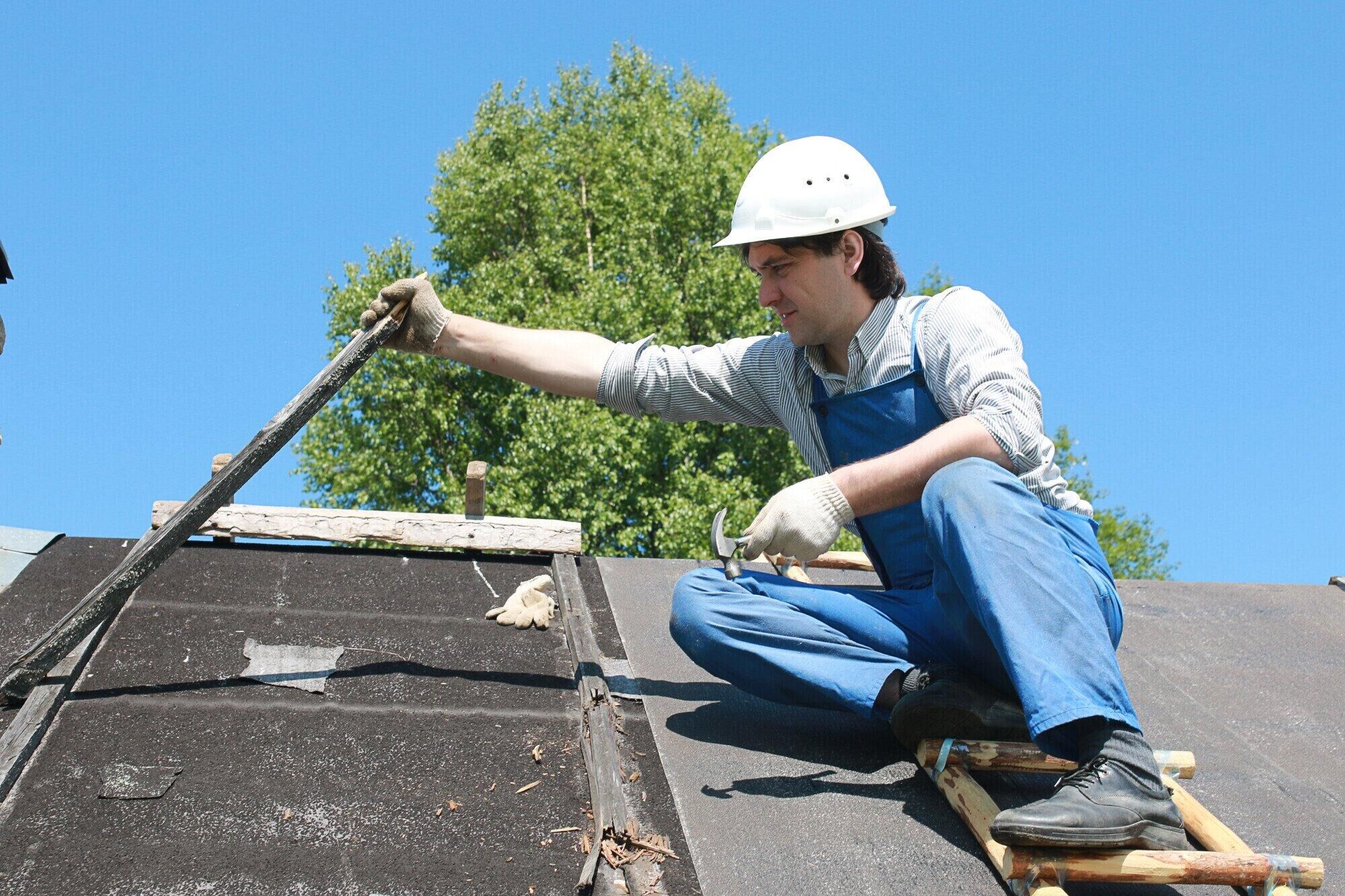
How long has it been since you last inspected your roof? In Louisville, KY, many homeowners face unexpected repair costs because they wait too long to replace their roofs.
Every roof has a lifespan, and planning ahead for roof replacement can help you avoid surprise expenses.
Join us as we take a look at the factors that influence roof replacement costs, how to choose the right materials, and tips for saving to ensure you're financially prepared when the time comes.
When planning for a roof replacement, it's helpful to understand what factors impact the overall roof replacement cost. In Louisville, homeowners should consider several key aspects to get an accurate estimate.
Labor costs in Louisville may vary depending on the contractor and the complexity of the job. Some roofing companies charge more based on the size of the roof or any specific challenges related to the project - which is exactly why it helps to know what goes into a roof replacement estimate before you compare bids.
It's important to get multiple quotes from local contractors to understand the average labor rates in your area - and if you're considering upgrading to a fortified roof, budget in additional costs for enhanced materials and certification.
Roof replacements often require permits, which can add to the overall cost. In Louisville, the cost of permits depends on the type of work being done and local regulations.
It's also common for additional repairs to be needed once the old roof is removed. Structural issues, water damage, or insulation problems can add to the total expense, so it's good to budget for unexpected costs.
Learn if you need a roof repair or a full roof replacement here: Roof Repair vs Replacement: Which Do You Need?
Different materials come with their own advantages and drawbacks, so understanding what fits best for your budget and long-term goals is important. There are three main factors to consider when comparing roofing materials:
The price of roofing materials varies greatly. Asphalt shingles are the most affordable, making them a popular choice for homeowners looking to keep costs low.
Metal roofing is more expensive upfront but can offer better long-term value due to its durability. Tile and slate roofs are the most expensive options, but they provide unmatched longevity and resistance to weather damage.
Asphalt shingles typically last around 20 to 25 years, which is reasonable for their cost. Metal roofs can last anywhere from 40 to 70 years, making them a solid investment for those who plan to stay in their home long-term.
Tile and slate roofs, while costly, can last over 50 years with minimal issues.
Different materials require different levels of upkeep. Asphalt shingles are more likely to need repairs after storms or extreme weather. Metal roofs, on the other hand, are more resistant to weather but might need occasional inspections to prevent rust or corrosion.
Tile and slate roofs are the easiest to maintain in the long run, with minimal repair needs unless damaged by heavy impact. The maintenance requirements can affect long-term costs, so it's worth considering this when choosing a material.
Planning ahead for a roof replacement can help ease the financial burden when the time comes. Since a new roof can be a significant investment, it's important to start saving early and set a budget that fits your needs.
There are three key strategies to consider when saving for a roof replacement:
The first step in saving for a roof replacement is estimating how much you'll need. It involves understanding the average cost of your chosen roofing material and how long your current roof is expected to last.
By knowing how many years are left before a replacement is needed, you can plan accordingly and avoid any surprises. For example, if your asphalt roof has 10 years left, divide the estimated cost over that time to create a manageable saving plan.
Once you have an estimate, start putting money aside regularly. You can treat this like any other savings goal by setting up a separate account or using a portion of your income to build up your roof fund. This steady approach makes it easier to cover the cost when the time comes, without disrupting your budget.
Even with careful planning, unexpected events can speed up the need for a roof replacement. In these cases, it's helpful to explore financing options like home equity loans or contractor financing.
They can provide a backup plan if you're unable to save the full amount in time. While saving is the best option, having financing as a safety net can reduce stress when emergencies happen.
Regular inspections are essential for determining the condition of your roof. Checking for signs of wear like missing shingles, leaks, or sagging areas helps you catch problems early.
The age of your roof plays a big role in when you should plan for a replacement. Asphalt shingles usually last about 20 to 25 years, while metal and slate roofs can last much longer.
It's helpful to plan your budget and timeline for a roof replacement based on how much time is left on your roof's expected lifespan. If your roof is nearing the end of its life, it's smart to start preparing for a replacement rather than waiting for major issues to arise.
Roof replacement should also be planned around weather conditions. In Louisville, it's best to schedule roofing work during the spring or fall when the weather is milder.
Learn how to tell if your roof needs to be replaced here: How Do I Know If My Roof Needs Replacing? 10 Signs
Planning for a roof replacement involves understanding your roof's lifespan, estimating costs, and saving in advance.
At 44 Roofing, we understand the importance of a solid roof and the challenge of finding the right professionals for roof replacement. Our licensed, insured team uses top-quality materials, ensuring high standards in every project. With expertise in insurance claims and an A+ BBB rating, we deliver durable, beautiful roofs that fit your style and budget.
Get in touch today to find out how we can help with your roof replacement!